
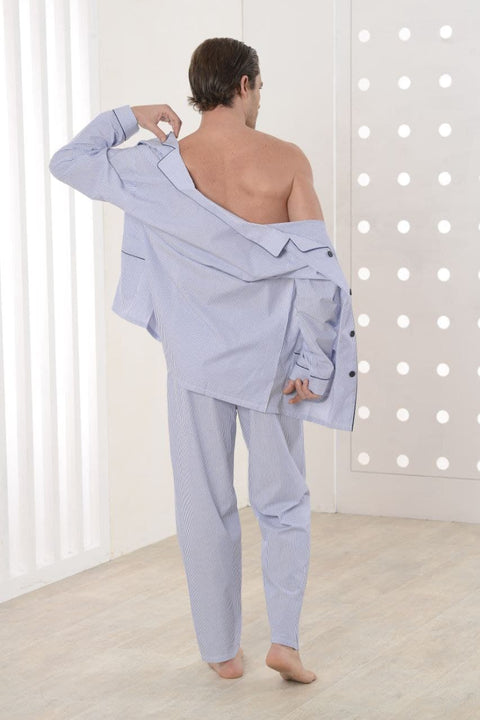
Pajamas come in all kinds of designs and materials. However, the most important criterion for choosing the ideal pajama is to feel completely comfortable in it. Because a nice pajama not only guarantees a good night’s sleep but can also serve as comfortable everyday wear on days off. Watching a movie at night on the sofa in pajamas or having a hearty breakfast on a Sunday morning in pajamas: it’s cozy, and you can do much more than just sleep. At El Búho Nocturno, we offer a variety of designs, models, and colors; we also try to guide you on the proper care of pajamas and what really makes a good pajama.
Proper Care for Pajamas
With bedding, sleepwear, mattress covers, and all other bedroom textiles, it is especially important to pay attention to hygiene because this is the only way to ensure a comfortable sleeping environment. So, sheets and pajamas should be washed regularly. Be sure to pay attention to the different materials: the cleaning instructions on the pajama label provide all the relevant information for the garment.
When washing pajamas, there are a few things to keep in mind for their care:
- Ideally, cotton should be washed at 40 °C, but it can withstand up to 60 °C if necessary.
- It is essential to separate clothes by color and wash colored clothes with an appropriate detergent and light-colored clothes with a strong detergent.
- Wash only jersey and other cotton blends on a gentle cycle at a low temperature of 30 °C.
- It is best not to use fabric softener, as it quickly makes fibers look porous and dull.
- Bulky pajamas should be washed at 40 °C on a gentle cycle with liquid detergent. Be cautious when drying: iron the damp pajama with a protective ironing cloth.
- Air dry the pajama and hang it as straight as possible, for example, on a hanger or simply hang it on the clothesline once.
How Often Should I Change My Pajamas?
Dead skin cells are the favorite food of dust mites. Since pajamas are worn directly on the bare skin, these cells accumulate if they are not changed regularly. For hygienic use of sleepwear, experts recommend washing pajamas every four days, but at the latest after a week, especially if you tend to sweat a lot or are sick, they should be washed every two days.
In a 2015 survey of about 2,500 men and women in England, it was found that women change their pajamas on average every 17 days and men every 13 days. That is too infrequent considering the amount of bacteria, germs, and dust mites that can accumulate on sleepwear and bedding during this time.
Functions of a Good Pajama
The synonym for the classic two-piece pajama comes from ancient Persia and describes lightweight pants held with a tie. The strong resemblance of these pants to European pajamas is such that the word has become very common.
A pajama generally consists of two parts: loose pants and a lightweight shirt. Both should be comfortable to wear and not restrict body movements. Classic models do not have buttons, zippers, or similar features, which could be bothersome when sleeping. The pants usually have a drawstring or elastic band to adjust the fit. There are pajamas for men, women, and children of all ages. The shape and the materials from which the woven fabric is made can vary greatly, so different pajamas should be worn depending on the season and personal preferences.
Materials for Pajamas and Who They Are Best For
The popular two-piece sets are available in almost every combination of materials and designs. When choosing the right pajama, it is important to consider that the materials also have a specific purpose. Regardless of whether the pajamas are fun with a pattern, simple, or monochromatic, there are no limits to design and colors.
Difference Between Pajamas and Nightgowns
A nightgown is a piece that consists only of a long blouse. It fits loosely over the body and generally extends over the buttocks and halfway down the thighs. Pajamas, on the other hand, usually have a shorter top and pants, which can be long or short depending on the model. More information and product suggestions can be found here at El Búho Nocturno
Matching Pajamas with Bedding
The combination of the duvet cover and the pajama depends entirely on the user and their personal taste. However, when choosing bedding, you should ensure that the woven fabric of the pajama does not rub against the bedding fabric. In the case of materials like silk, a combination of pajamas and bedding is not recommended, as it is very soft and could cause restless sleep.
Pajamas According to the Season
Spring: a time when nights become warmer, flannel pajamas are usually ideal because they are flexible and hygienic. However, the main specialty of this material is its ability to retain heat. Depending on whether you still feel cold or not, you can buy the pajama with long sleeves and long pants or the short version with flannel.
Summer: in the hot season, you should choose short and lightweight pajamas. Materials like lightweight cotton are ideal for this season. Synthetic fabrics like polyester are also often very beneficial and especially recommended for their absorption and quick-drying properties. It is important to change pajamas frequently, especially in this season.
Autumn: Days get shorter and pajamas get longer. Like in spring, jersey is a particularly good material in autumn. If you still feel cold, you could try a plush pajama. They are very soft and comfortable to wear and retain heat better than other woven materials.
Winter: When it’s very cold, only warm and soft pajamas will help. There are many different fabrics and textiles that are comfortable to wear and keep body heat very well in the cold season. Flannel and merino wool are particularly recommended. Of course, the pajama should have long legs and sleeves. Comfortable socks complete the cozy outfit.
Leisure Pajamas Are in Fashion
As mentioned at the beginning of this reading, pajamas come in a wide variety of styles and designs. Whether single-colored or with a modern design, sleepwear is increasingly gaining space in everyday life and the daily routines of large European cities. They are becoming more common every day with a noticeable trend.