
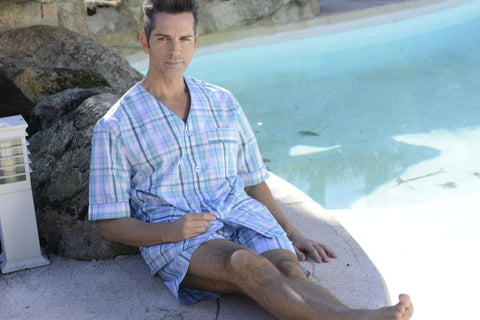
For several decades now, the concept presented as sustainable, eco-friendly, or friendly fashion highlights from all its facets a genuine ability to meet the priority needs required by the fashion market population, aiming to significantly reduce the enormous impact that these textile production methods have on the natural resources and possibilities of future generations.
Sustainable Development
So, based on this concept of sustainable development, which has gained increasing visibility since the 1980s when it began, it states that the goal is to meet the growing current needs without affecting or compromising the natural environment as a legacy for future generations.
From the various findings of important researchers and experts, all agree that under this scheme of unlimited exploitation of resources as the means to obtain economic benefits and profitability as the sole criterion for productive development, it is simply unsustainable for the ecosystem.
Since the continuous and indiscriminate exploitation of wealth is severely affecting the planet's natural ecological balance, it will be impossible for it to survive indefinitely at this rate; fortunately, on the other hand, a series of innovative ideas are being implemented in favor of positive development.
Sustainable Fashion Trends
It is a fact that creative thinking has no limits, and even less so in fashion; regarding sustainable fashion trends that set the tone during 2020, the ingenuity of both traditional and emerging style creators has resulted in a wide and great variety of proposals from young talents and designers venturing into an increasingly globalized world.
Similarly, major fashion brands are focusing all their efforts on creating these new styles framed within this concept, as it is essential to find strategies to keep up with the demanding and growing demands for affordable fashion clothing.
Friendly Fashion Trends
An excellent example of this friendly fashion is Thrifting, an interesting shopping modality that has experienced considerable growth over the past five years. This trend of saving, donating, and buying is indeed an excellent practice because it keeps textiles in greater circulation and maximizes their use outside of waste landfills.
Moreover, it is also true that most of these second-hand stores involve a very important charity component, as they provide support to people with limited resources in a community or geographic area of influence, which is a sign of social responsibility with an additional benefit to the environment.
Another great idea is Thrift flipping; this is also a trend gaining popularity as a process of customizing second-hand garments. Many people are currently trying this fun modality, which is very interesting and attractive, as they update a garment or item bought in a second-hand store by adding different design elements, either by cutting or completely transforming the piece into a unique creation to make it more fashionable, which tests skills and creativity.
Eco-friendly Materials
When it comes to materials, in this new wave of friendly and sustainable fashion, algae are trending. These slimy greenish plants that float in ponds and swamps can actually be excellent textiles for making beautiful garments fully in fashion; they can be cultivated for manufacturing foam soles for shoes among other pieces.
The most curious, interesting, and above all highly beneficial aspect is that this material is one hundred percent renewable, biodegradable, and can even release certain antioxidants, vitamins, and other nutrients to the skin when these algae-based textiles are used, benefiting the customer. Just imagining a collection of garments made from algae foam is enough to attract consumers' attention.
Another material making waves is pineapple leaves, and this tropical fruit of freshness, festivity, and fun by nature is ideal for making ecological garments. Making woven fabrics from pineapple leaves is quite common, especially in geographic areas where it is a native crop, representing a vision of sustainability.
Indeed, it is quite a process, but pineapple fibers can be combined with other fibers to weave fabulous woven fabrics. Pineapple fabric is lightweight but stiff and eco-friendly. We expect to see everything from clothing to shoes to bags made from pineapple.
Merino Wool Pajamas
The design of pajamas made from Merino wool could not be missing, as this is a knit that comes from the Merino sheep, a type of sheep native to the Iberian region and northern Africa, now raised worldwide.
This wool can be found in various garments and items such as sweaters, socks, t-shirts, pants, and men's pajamas that retain body heat during winter and also blend well with other materials like polyester.
Natural and Biodegradable
The development of these knits is a very good way to contribute to the conservation of the planet from the ecosystem perspective, as this wool decomposes, meaning it is biodegradable, and in just a few years, it even serves as excellent fertilizer for the soil. This is definitely important for the purposes of this trend of eco-friendly fashion.
Vegan and Cruelty-Free Fashion
In that specific concept referring to sustainable raw materials, Koba is a type of fiber derived from a corn byproduct; given the interesting increase in demand for fashion defined as vegan and cruelty-free, this is a perfect response; it is an excellent option, in fact much more ecological compared to nylon and polyester.
On the other hand, the idea that it is possible to make multiple garments, outfits, and combinations with very few pieces is a concept that seriously motivates innovation and creativity with the clothes already owned. This trend is based mainly on information, education, and the idea of continuous innovation.
Besides, it is an extremely fun experience for customers, as fashion projects always suggest a great display of creativity at its best.
Now, it is important to be very aware that these environmental solutions for a wardrobe with garments for all day and night activities will not be inexpensive; on the other hand, one can be much more conscious about what we buy.
Additionally, there is the idea of customizing and renewing pieces that still have some useful life, which is an option to avoid textile waste by extending the use of garments in favor of friendly and sustainable fashion.
Do not hesitate and visit our website El Búho Nocturno where you will surely find your ideal pajamas.