
The textile sector is one of the oldest fields in which humans have specialized. The need to produce woven fabrics to make different garments arises from the search for protection against the various climates, temperatures, and environments in which humans have evolved.
The evolution of clothing led to the development of a harmonious combination of colors and designs, maintaining the function of covering what is necessary, but also attracting attention as a synonym of status, personality, originality, and character in the wearer. Thus, making garments beyond their utilitarian function became an activity that seeks to silently express what the wearer wishes to project about themselves.
Variety of Woven Fabrics
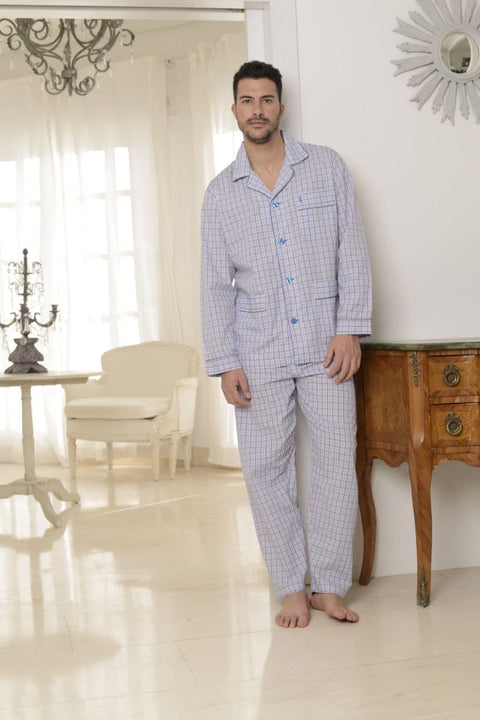
In this way, there are garments for day and night, for cold and heat, for going out, taking a walk, going to work, staying at home, and for sleeping like with a good pajama. All designed with a specific purpose and particular details that fulfill the function for which they were made; however, the design also includes the appropriate woven fabric so that comfort and its objective are as expected.
Today, there are various types of fibers that are commonly used, which can be natural, coming from vegetation, such as cotton, linen, or bamboo; animal or protein-based like wool, angora, or silk. There are also artificial fibers created by humans or semi-artificial ones that share a natural origin but are obtained through a chemical process.
Distinction of Fabrics
There are different types of woven fabrics used for making everyday clothing, and thanks to technological development, a wide variety of fabrics have been created, primarily using fashion for two goals: on one hand, to perfect the quality and characteristics of the garments themselves, such as softness, comfort, durability, elasticity, functionality, and other relevant design elements; on the other hand, the social duty to safeguard the environment during the manufacturing process.
Besides quality, texture, and the desired aesthetic appearance, when choosing the type of woven fabric to use, factors such as the season in which the garment will be worn must be considered. In summer, a linen fabric could be ideal for its freshness and the fact that it allows the skin to breathe; in contrast, in a season like winter, wool becomes more suitable due to its thickness, warmth, and heat retention.
One of the most well-known, common, and preferred woven fabrics for making clothing is cotton. Its versatility allows it to be used for almost all types of garments such as jackets, pants, shirts, or t-shirts. By combining it with other types of fabrics, complementary woven fabrics can be obtained, such as gabardine, denim, poplin, and many others. Thanks to its plant origin, it tends to be quite economical, with highly soft fibers characterizing it as one of the best knit options on the market.
Nowadays, various brands prefer to use organic cotton, since it is not exposed to fertilizers, toxic elements, and chemicals that could harm the skin, making it a great option for sensitive skin. Additionally, this approach helps avoid promoting the use of materials that have been subjected to processes that harm the environment and are therefore harmful not only to the consumer's health but also to the farmers who cultivate and regularly use toxic products.
Among other highly used and recommended fabrics is silk. Despite its cost, as it is obtained from silkworms, its attributes make it a good option to wear from an elegant shirt to a comfortable and refined pajama of excellent quality. As mentioned, it is ideal for warm seasons due to its light thickness, allowing the skin to breathe freely.
Environmentally Friendly Woven Fabrics
Considering that sustainable or ecological fashion involves creating clothing with fabrics and fibers friendly to the environment, if one follows the line of social responsibility in choosing them, Tencel Modal and Tencel Lyocell can be found. These are artificial fibers developed from cellulose pulp made from wood, but the difference between the two lies in their production, format, and certain intrinsic factors.
Both are quite thin woven fabrics, pleasant to the touch, with notable resistance and elastic recovery. Similarly, they have good adaptability and drape. They are soft, cool, and silky, with a high percentage of absorption, color retention, and shine.
The reason to consider an ecological fiber is that it represents not only a healthy option but also provides true comfort that allows the skin to breathe and does not retain moisture. Positive changes can also be made through clothing, and if its benefits contribute to more than one individual and everyone receives the same benefits, why not be part of that contribution? Additionally, the dyeing process is also ecological.
Variety of Fabrics and Fibers
Among flexible fibers is polyamide, which is a synthetic woven fabric with great resistance to wear, offering high durability with elastic recovery. This means it has a good capacity to maintain its shape, providing garments that do not change shape over time even with prolonged use.
Unlike other fibers, this one dries very quickly because it does not have high absorption. Thus, it is an option with a high level of resistance to microorganisms, which is why the microfiber of this fabric significantly improves tactile characteristics and allows good control of moisture and temperature.
If you prefer more traditional woven fabrics, polyester is also a good option. With a synthetic origin and great resistance to wear from friction, it is a very pleasant fabric to handle and treat after use. It insulates heat and also has excellent resistance to microorganisms.
Knowing the variety of woven fabrics is important when choosing the clothing to wear, even for going to sleep. Having clear the needs and comforts sought, this knowledge is very useful to have as comfortable a day as possible.
One should not underestimate the power of a good woven fabric combined with good tailoring; details such as which fiber to use on a sunny or rainy, cold or hot day could save discomfort, since wearing any type of clothing should always be related to comfort, durability, and hygiene, especially in a good pajama. Visit our website El Búho Nocturno where you will find the pajama that best suits your needs.