There is no doubt that COVID-19 transformed the way people work, socialize, and learn in a short time. This ongoing modern plague could also shape fashion trends in the coming years.
In a short time, COVID-19 changed how people work, socialize, educate their children, and more. Past global calamities have altered cultural attitudes and fashion trends for decades. With this ongoing modern plague, clothing trends could also be shaped in the future. So, what will the new ways of going to work be after a year of Zoom calls and wearing pajamas as casual business attire?
Fashion in Times of COVID-19
Historically, people update their wardrobes throughout the year, buying new clothes by season and sometimes impulsively. However, amid the shift to remote work and public COVID-19 restrictions, non-traditional retail shopping plummeted, but many clothing retailers grew and expanded.
It is a widespread feeling that trends will continue in terms of what has been considered comfortable everyday wear today and day-to-day, whether working remotely or in the office. This was the trend before the pandemic, and in some places, it still is. The pajama influenced both men's and women's clothing.
In the past year, remote work became widespread and mainstream to the point it was taken as “the new normal.” Although many companies have considered the transition after the pandemic, and while they have created a hybrid for workers with the option to work from home.
Dress for Success on Zoom
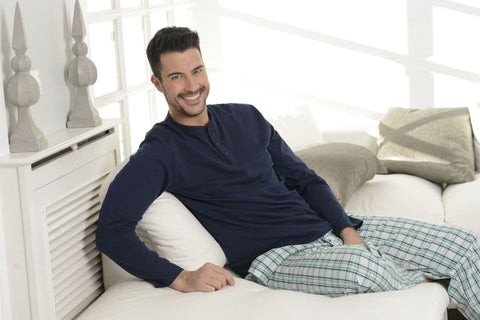
Video calls around the clock have replaced in-person conferences for many remote professionals. Needless to say, dressing for Zoom success requires comparatively fewer fashion considerations than simply putting on your favorite pajamas. During the shift to remote work, appealing to camera aesthetics could play a role in short-term fashion choices, including our star garment, the pajama.
The near future will be influenced by brands looking for ways to attract consumers working from home, such as details on necklines and bright colors that can be captured on camera. Most people did not wear pajamas, but it could be said that one of the positive effects this pandemic has had worldwide is the growth in their use—not only in quantity but in raising real awareness of their existence and versatility as an ideal garment for rest and also for comfortable work from home, of course under special circumstances like COVID-19.
Over the last 12 months, many people have added some new pieces, limiting and removing old garments from their wardrobes. As companies begin to bring employees back to the traditional office in person, home comforts might somehow make their way into the workplace; it’s not a given, but it could happen that some companies might allow the use of pajamas on their premises.
It might be believed that most people will want to be comfortable or will need to find clothes that fit well due to weight gained from staying at home. Fabrics play an important role in comfort and fit, and I believe this trend will continue as an option and direction for brands to offer customers. In this sense, pajamas could perfectly fit this trend, which would somehow help maintain workers’ performance during the post-pandemic reintegration process to the workplace.
Historical Perspective and "New Normals"
The ongoing coronavirus pandemic may be unprecedented in recent history, but global calamities are not uncommon, and other disruptions have left lasting impressions on fashion and cultural customs. For example, after World War II and the rationing of basic supplies like fuel, sugar, and flour.
Skirts were full, and femininity returned as a trend after the workforce became more female for the war effort. These are two important trends that affected fashion after the war and continued through the 1950s.
The lasting impact of the coronavirus pandemic on fashion trends and office dress expectations remains to be seen. Beyond the workplace and Zoom rooms, the large-scale shift to remote work could change people’s avant-garde approach to outings and social gatherings, including pajamas in those plans.
It could affect how it looks, almost like “dressing up” for outdoor activities or going to work. Some feel more excitement should be added to how they dress outside the home. Others feel comfort has become a lifestyle, and consumers will find ways to be comfortable in public.
The truth is that after months of working in pajamas, several companies are canceling the great remote work experiment and dragging employees back to the office. Some do not plan to adhere to the usual strict dress code in the new post-pandemic office era or anything like it. It is as much protest as practicality.
In any case, after employees have experienced the delightful freedom of "working in sleepwear," it is hard to imagine going back to the rigidity of tight suits and tedious uniforms.
As much as it is not generally liked to admit, many have gained some pandemic pounds amid a lost year of quarantine and hibernation. Overall, most people’s clothes no longer fit their previous sizes well, and certainly, some time could be used to readjust socially and professionally after a year of videos and Zoom meetings to improve appearance.
The "new normal," as this ever-changing current reality is commonly known, implies the end of a previous standard. Office workers will take some time to readjust to corporate nature after a year of improvisation and upheaval. Meanwhile, perhaps companies can try something new regarding internal dress code expectations.
Maybe free use of pajamas could be considered, or perhaps a specific day of the week could be authorized to wear them. At the end of the day, during quarantine many workers maintained their performance based on the comfort and confidence that being able to perform their duties in a safe, authentic, and less rigid environment provided—undoubtedly a great contribution of the pajama.
On our website El Búho Nocturno, you will always find the pajama that best suits your needs.