
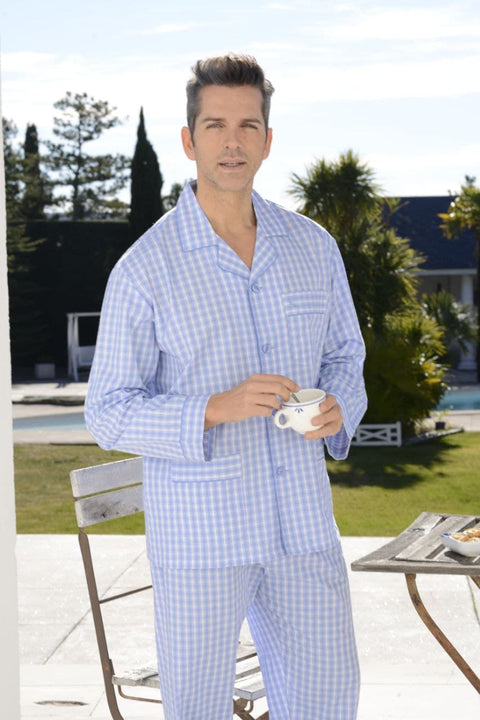
Male wellness is not a destination — it is a daily construction. And it rests on four pillars that no man can ignore: medical control, exercise, nutrition, and rest. At El Búho Nocturno, a Spanish family business with over 60 years dressing gentlemen, we know that rest is the most underestimated pillar — and the one with the greatest impact on all the others.
Why men neglect their health — and how to change it
According to the National Sleep Foundation, men are significantly more likely than women to postpone medical check-ups, ignore symptoms, and normalize harmful habits such as sedentary behavior, alcohol, or insufficient sleep. The result: premature aging, higher cardiovascular risk, and lower quality of life.
The good news: the four pillars of male wellness are simple, accessible, and their benefits are immediate and cumulative.
Pillar 1: Preventive medical control
Most serious illnesses show no symptoms in their early stages. Regular medical check-ups are not a sign of weakness — they are the smartest decision a man can make for his health.
| Age | Recommended check-ups | Frequency |
|---|---|---|
| 18–40 years | Blood pressure, cholesterol, glucose, BMI | Annual |
| 40–50 years | + PSA (prostate), ECG, densitometry | Annual |
| 50+ years | + Colonoscopy, dermatology, ophthalmology | Annual or biennial |
According to the Spanish Heart Foundation, regular check-ups allow for the detection of cardiovascular risk factors before they become a serious problem. Don’t wait for symptoms.
Pillar 2: Regular physical exercise
Sedentary lifestyle is one of the greatest risks to men's health. The WHO recommends at least 150 minutes of moderate activity per week — equivalent to 30 minutes daily, 5 days a week. The benefits are clear:
- Cardiovascular: reduces the risk of hypertension, atherosclerosis, and heart attack
- Metabolic: improves insulin sensitivity and controls weight
- Mental: reduces anxiety and depression through the release of endorphins
- Sleep: regular exercise significantly improves sleep quality and depth
- Longevity: reduces cellular aging and maintains muscle mass
A gym is not necessary. Walking 30 minutes a day, climbing stairs, or exercising at home are perfectly valid starting points. Consistency is what matters.
Pillar 3: Balanced nutrition
A healthy diet is not a restrictive diet — it is a varied, balanced diet adapted to your activity level. The basic principles:
- Quality protein: fish, legumes, eggs, lean meats — essential to maintain muscle mass
- Healthy fats: olive oil, avocado, nuts — protect the cardiovascular system
- Complex carbohydrates: whole grains, vegetables, fruits — sustained energy without glucose spikes
- Hydration: at least 1.5-2 liters of water per day
- Limit: alcohol, added sugar, ultra-processed foods, and excess salt
Pillar 4: Rest and sleep quality
Sleep is the most underestimated pillar of male well-being — and the one that impacts all others the most. According to the National Sleep Foundation, an adult needs between 7 and 9 hours of quality sleep each night.
| Age | Recommended hours | Impact of deficit |
|---|---|---|
| 18–25 years | 7–9 hours | Lower muscle recovery, worse memory |
| 26–64 years | 7–9 hours | Higher cardiovascular risk, testosterone decline |
| 65+ years | 7–8 hours | Higher risk of cognitive decline |
Chronic sleep deprivation is associated with hypertension, obesity, type 2 diabetes, depression, and a higher risk of heart attack. Sleeping well is not a luxury — it is a physiological necessity.
How to improve sleep quality
- Fixed schedule: go to bed and wake up at the same time every day, even on weekends
- Bedroom temperature: between 16°C and 19°C is the optimal range
- No screens: avoid phones and tablets 30-60 minutes before sleeping
- Proper sleepwear: a premium cotton pajama regulates temperature and reduces nighttime awakenings
- Nightly ritual: shower, pajamas, reading — signals that tell the brain it’s time to rest
The role of pajamas in male well-being
It is not a minor detail. Sleepwear directly influences body temperature during sleep, and temperature is one of the main regulators of deep sleep. Inappropriate pajamas — synthetic, too tight, or irritating to the skin — can cause nighttime awakenings without you being aware of it.
At El Búho Nocturno we select each fabric with the gentleman’s optimal rest in mind:
- Summer Pajamas — lightweight breathable cotton for warm nights
- Midseason Pajamas — classic poplin for spring and autumn
- Flannel Pajamas — Double-Peach 100% cotton for the coldest winter
- Velvet Pajamas — ultimate luxury for winter nights
- Winter Dressing Gowns — the perfect complement for mornings
Sizes from S to 5XL. Made in Spain and Portugal. Trustpilot 4.7/5. View the entire collection.
Frequently asked questions about men's health and wellness
How many hours should an adult man sleep?
Between 7 and 9 hours according to the National Sleep Foundation. Most adults perform optimally with 8 hours of continuous, quality sleep.
How often should a man visit the doctor?
At least once a year for a general check-up. From age 40, add specific tests like PSA, ECG, and bone density scans as medically recommended.
How much exercise does a man need per week?
The WHO recommends at least 150 minutes of moderate activity per week (30 minutes daily, 5 days). Complement with strength exercises twice a week to maintain muscle mass.
Does pajamas influence sleep quality?
Yes. Sleepwear affects body temperature during sleep, which is one of the main regulators of deep sleep. A premium cotton pajama suited to the season reduces nighttime awakenings and improves rest quality.
Which habits improve sleep quality the fastest?
Fixed sleep schedule, bedroom temperature between 16-19°C, avoid screens 30-60 minutes before sleeping, and wear natural cotton sleepwear. Results are noticeable in less than a week.