
The positive effects of sports are mainly achieved through physical activity, but the side effects also bring health benefits such as psychosocial and personal development and reduced consumption of alcohol, drugs, and cigarettes. Negative effects, such as the risk of failure, injuries, eating disorders, and exhaustion, are also evident.
Because physical activity is increasingly carried out in an organized manner, the role of sports in society has become more and more important over the years, not only for the individual but also for civilization as a whole.
Sports are a double-edged sword when it comes to health effects. The positive effects are mainly achieved through physical activity, which is the main part of most sports. Many side effects of sports also provide health benefits, such as psychosocial development for both young people and adults, personal development, delayed onset, and reduced consumption of alcohol and other substances harmful to health.
Finally, those who practice sports have a higher level of physical activity later in life, and through sports, knowledge about nutrition, exercise, and health can be developed.
Adverse Effects
Negative effects include the risk of failure leading to poor mental health, risk of injuries, eating disorders, exhaustion, and exercise-induced gastrointestinal discomfort. Unfortunately, there are also reports of physical and psychological abuse in sports. Negative aspects are more common in elite sports, where there is a delicate balance between maximum performance and negative health effects.
An somewhat unexpected effect of sports participation is that people who undergo planned training sometimes perform less physical activity compared to those who exercise without a set schedule.
One explanation may be reduced spontaneous physical activity in the latter group. Because physical activity is increasingly organized, the role of sports in society has become more important over the years, not only for the individual but also for public health.
It is said that daily life is becoming less physically active, while organized exercise and training are increasing. Average energy intake is rising, creating an energy surplus, and thus an increasing number of people with overweight are being seen, which greatly contributes to health problems. Physical activity and exercise have important positive effects in preventing or alleviating mental illnesses, including depressive symptoms and anxiety- or stress-related disorders.
In conclusion, sports can be evolving, taking into account personal abilities, social situation, and biological and psychological maturation. Evidence suggests a dose-response relationship such that being active, even at a modest level, is better than being inactive or sedentary.
Athletes know that physical activity is an important component of a healthy lifestyle. Regular exercise increases longevity and reduces the risks of cardiovascular diseases, diabetes, and some cancers. Exercise can also reduce the risk of anxiety and depression and may help you sleep better.
To perform at their best, athletes must prepare in all aspects of their lives. They train regularly, eat healthy meals and snacks, and make time to rest, recover, and sleep. When one area is lacking, overall performance can be affected. Sleep is certainly no exception; it must be fully met, including the appropriate attire to achieve higher quality sleep.
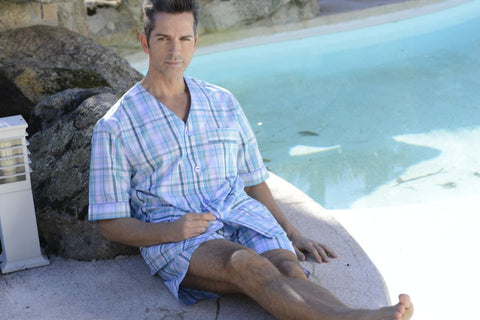
The use of pajamas is something that should be considered routine and beneficial for mental and physiological health. It is a garment that holds great value.
The Importance of Sleep
For both athletes and non-athletes, sleep is fundamental for overall health and well-being. Everyone needs to sleep to feel restored and function at their best. It is at this point that a garment like the pajama takes on vital and supreme importance. It should be taken very seriously, just as the cultivation and maintenance of sleep are taken seriously, as an element of physical and mental restoration and an aid for the comprehensive well-being of the person, regarding integral health and good physical condition.
Sleep provides physical benefits such as allowing the heart to rest and cells and tissues to repair. This can help the body recover after physical exertion. Additionally, as one progresses through the stages of sleep, changes in heart rate and breathing during the night promote cardiovascular health.
Preventing diseases or aiding in recovery from illness. During sleep, the body produces cytokines, which are hormones that help the immune system fight infections.
All these restorative effects are important for the recovery and overall performance of the individual as an active person; giving substantial importance to sleep and everything related to this activity, such as the use of a suitable mattress and bed, comfortable pillows, ideal temperatures for rest, and of course the indiscriminate use of pajamas that contribute to the hygiene and comfort of this restorative activity.
Sleep and Mental State
Sleep helps everyone retain and consolidate memories. When people practice or learn new skills, sleep helps form memories and contributes to improved future performance. Without sleep, the brain pathways that allow learning and memory formation cannot be formed or maintained.
Sleep is also essential for cognitive processing. Sleep loss is associated with decreased cognitive function. This can have adverse effects on athletes whose sports require a high level of cognitive function, such as decision-making and adapting to new situations.
Furthermore, just as exercise can help improve or maintain mental health, sleep is important for maintaining people's mental health. Sleep quality is associated with improved overall mood. Healthy sleep prevents irritability and reduces the risk of developments such as depression. The pajama, is and will always be a fundamental part of achieving better sleep quality.
Poor sleep quality and quantity cause several negative effects in anyone. Mentally, lack of sleep decreases the ability to react quickly and think clearly. Sleep-deprived people are more likely to make wrong decisions and take risks. Lack of sleep also increases irritability and the risk of uncertainty and depression. Physically, lack of sleep increases the risk of many medical problems, such as type 2 diabetes, hypertension, kidney disease, and stroke.
It is a fact that rest and sleep cannot be taken lightly. They are determinants for people's physical and mental health.
With all this, we invite you to visit our website El Búho Nocturno so you can choose the pajama that best suits your tastes and needs.